Chasing rainbows
A deep dive into ODDS - generative fashion collaboration between Tribute Brand, Chromie Squiggle, and Waste Yarn Project, bridging the real and virtual world, written by Hannah van Well

— “This might be one of the most exciting innovations fashion has seen in a long time.”
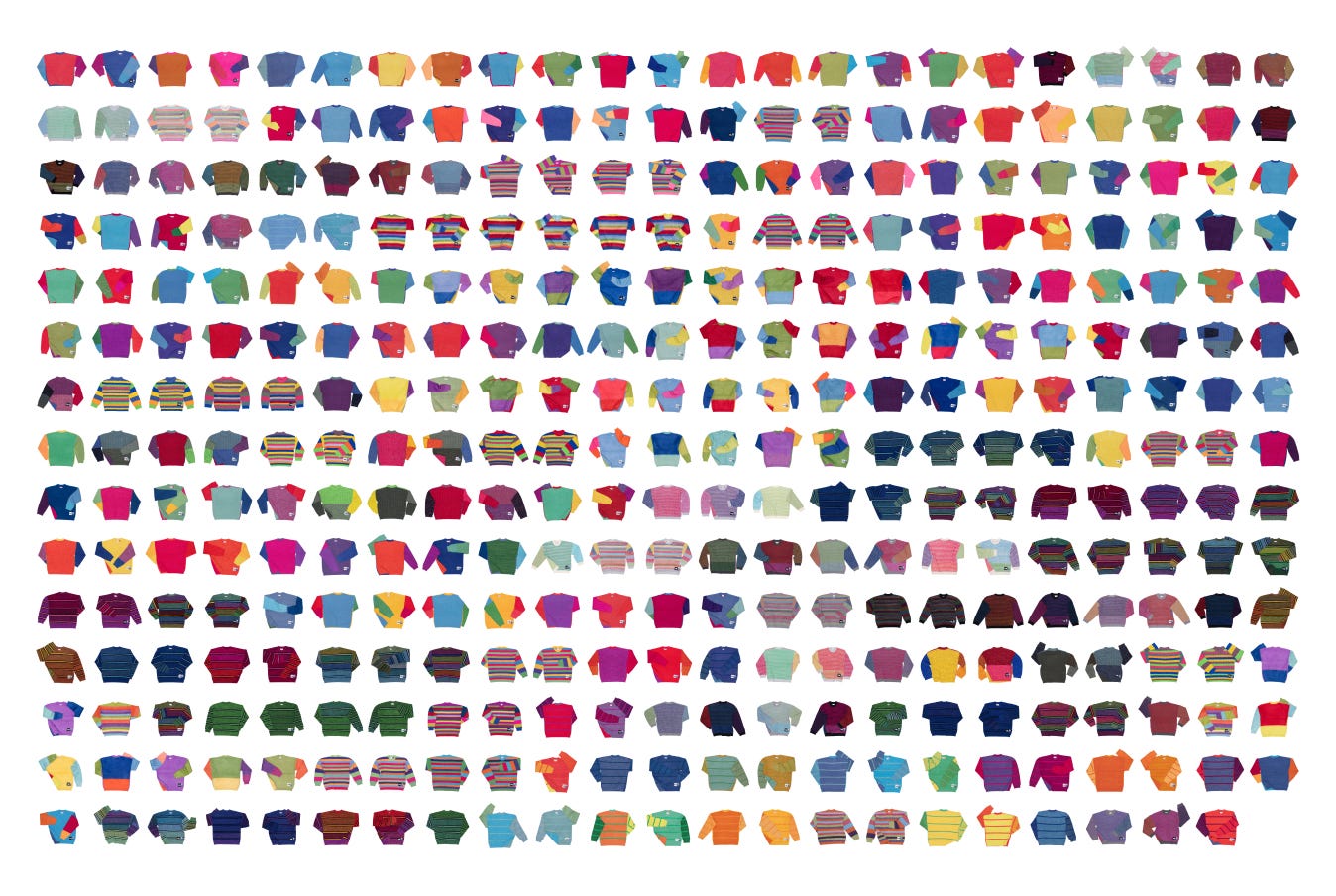
Not too long ago I found myself wide awake in the middle of the night. I was frantically clicking away on the Tribute Brand Generator — a digital machine generating one-of-a-kind sweaters. It almost felt like playing a video game, hunting for the perfect sweater till I fell asleep dreaming of pixels and rainbows that I’d soon be wearing IRL. This brilliant project named ODDS rewrites the playbook for luxury fashion, with exclusivity and sustainability at its core. Using computer code, each zero-waste sweater is unique yet unmistakably part of the same collection, while bridging the real and virtual world.
Human vs Machine
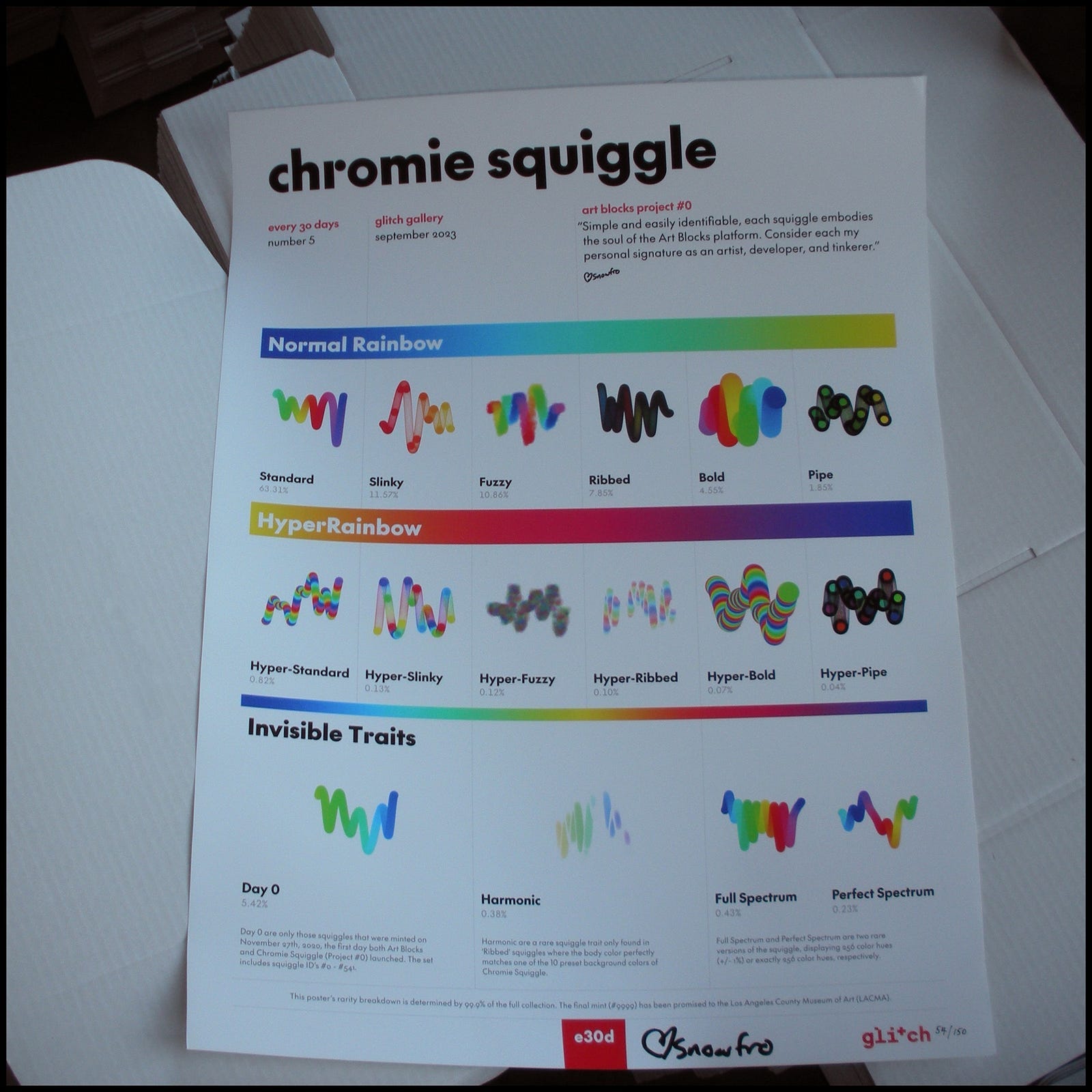
ODDS is rooted in the generative art movement, which embraces the idea of human and machine working together. An important medium within this genre is the use of generative algorithms. These introduce randomized variation, resulting in an almost infinite number of unique outcomes. Generative art recently saw renewed momentum and recognition. Erick Calderon, founder of generative art platform Art Blocks, is one of the driving forces behind this revival. His critically acclaimed Chromie Squiggles were first to launch on the platform and are revolutionary because the generative process happens entirely on the blockchain. The collection is now considered one of the most influential artworks in the space.
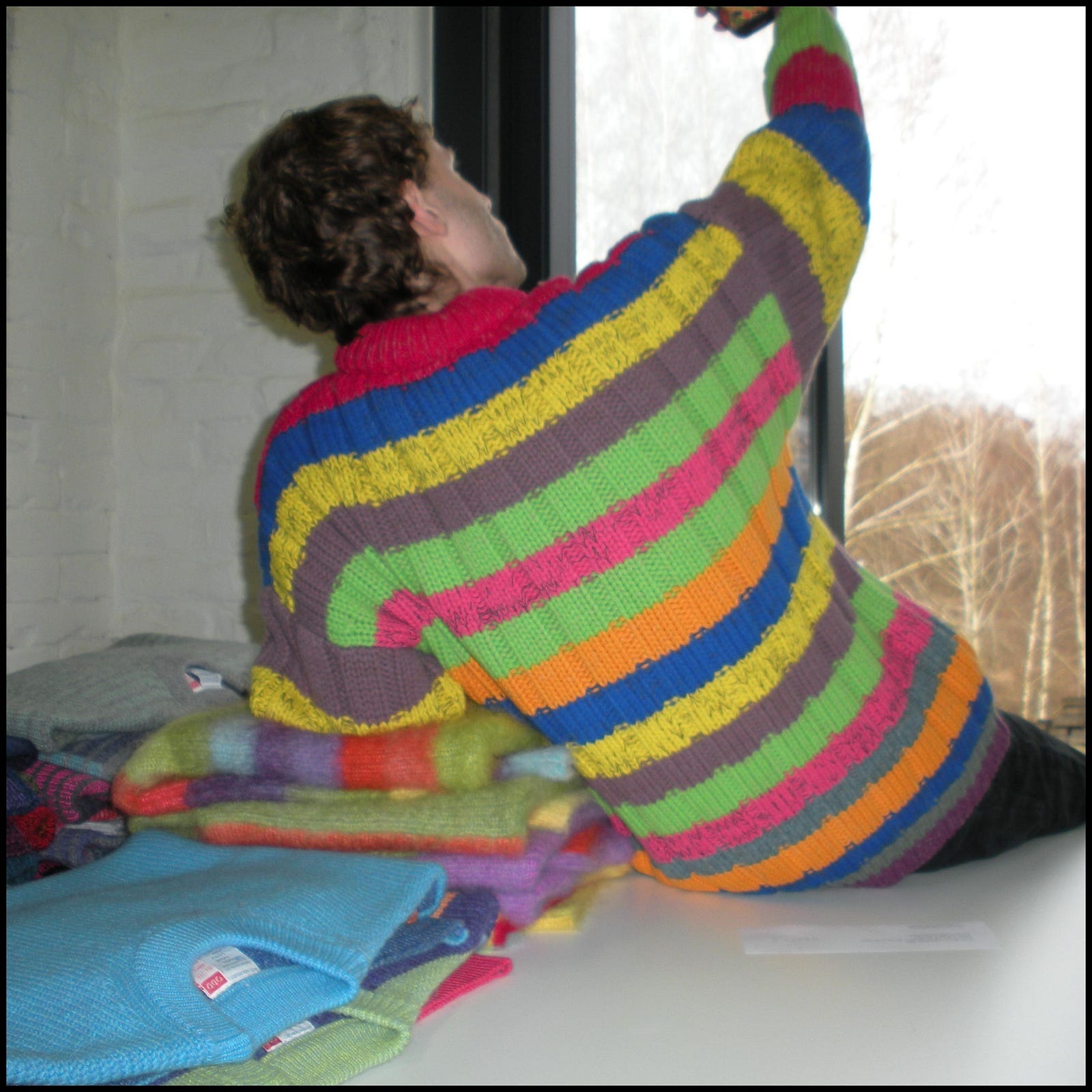
Tribute Brand first injected blockchain-based generative code into fashion with its seminal PUNK collection. For ODDS, which has been in the making for over a year, they collaborated with Calderon on an ingenious reinterpretation of the Chromie Squiggle. As the name Tribute Brand suggests, part of the vision is reinterpreting existing brands and concepts to create something completely new. “He immediately liked our approach of translating his digital art into physical garments”, says the team when I ask them how they convinced Calderon to let them ‘hack’ the code of his most famous work. They used the original Chromie Squiggle algorithm to build the Tribute Brand Generator, translating the code into digital blueprints to produce knitted sweaters.
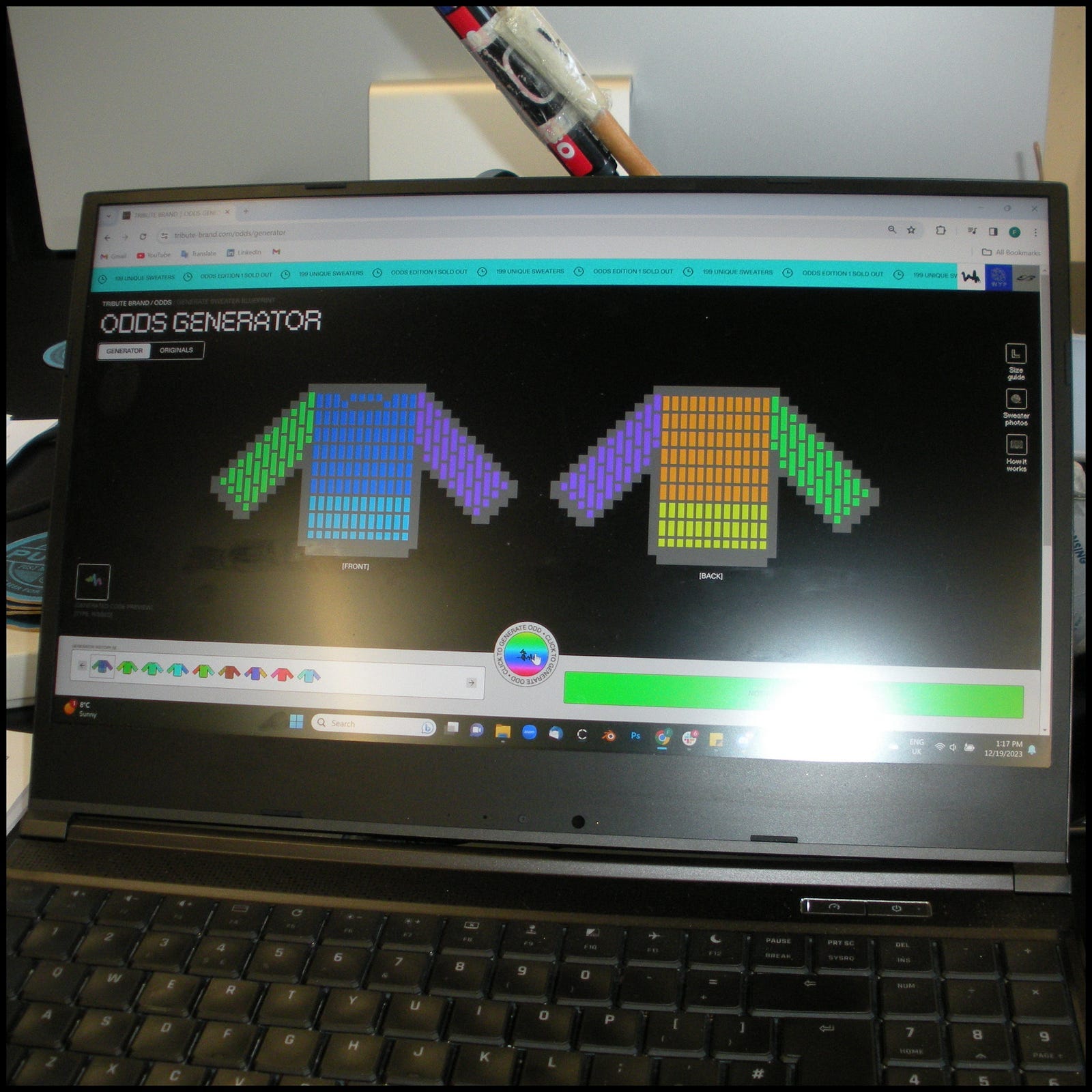
This might be one of the most exciting innovations fashion has seen in a long time. Basically, the visual characteristics of the Chromie Squiggle inform the unique combination of the sweater’s yarn, stitch, and colors. Leading in this process is the type of Squiggle: Normal, Bold, Pipe, Slinky, Ribbed or Fuzzy (honestly, it’s almost as if these were destined to become knitwear). As both the Squiggles and sweaters are randomly generated through computer code, each of them is unique. This also means there are statistically rarer variants, dubbed ‘hyper’. Obsessed with this idea, it was an easy decision between getting sleep or a Hyper Pipe.
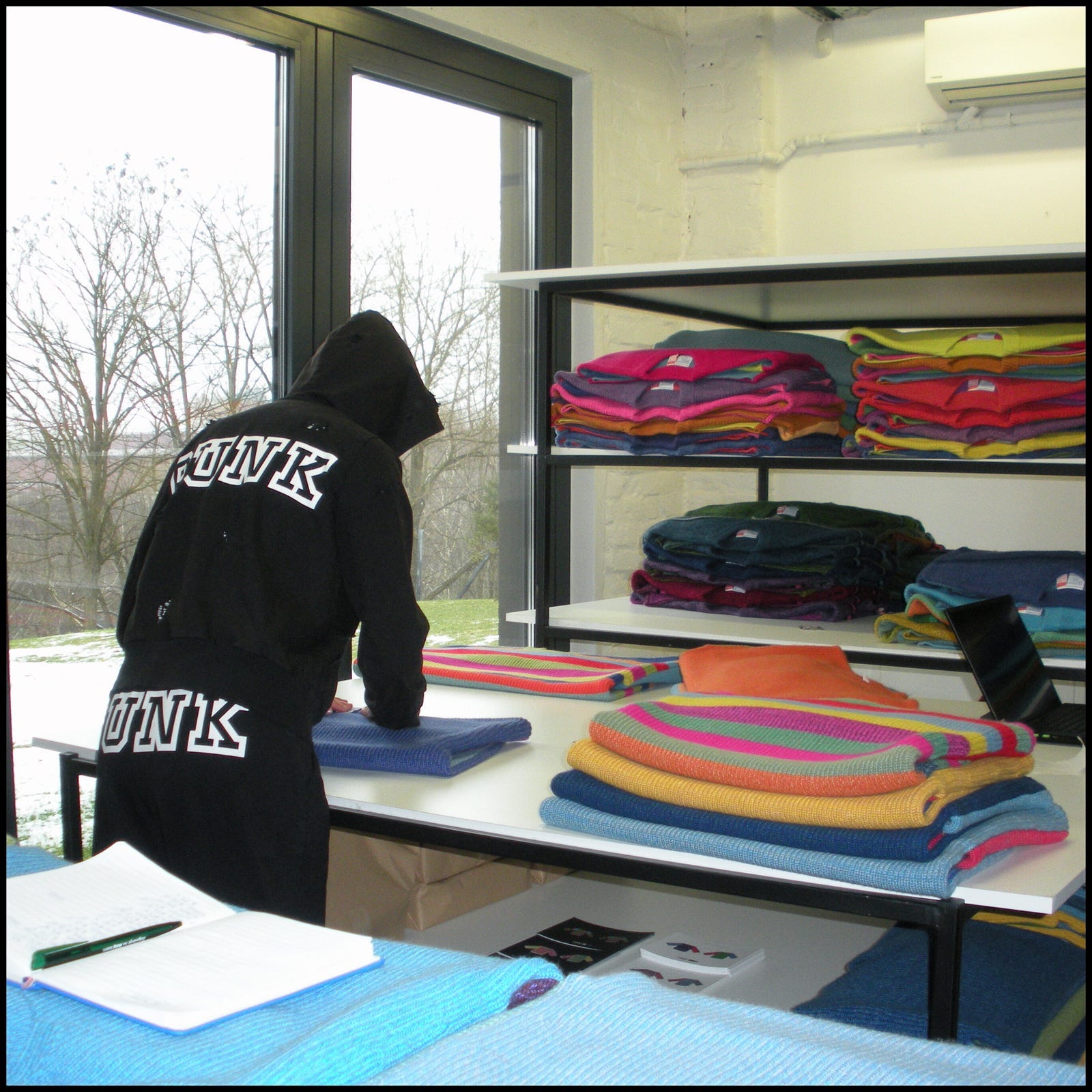
People who are lucky enough to own a Squiggle can feed the machine their original, while anyone who doesn’t (or is slightly obsessive like me) can use the generator to find their dream sweater. The sweaters feature a white label for original Squiggles or a black one for ODDS exclusives — a subtle detail only known by true insiders. Equally, only a select group of people will recognize the significance of the project in a broader cultural context, while others simply see a cool sweater. This might just embody the highest form of luxury: subtle and understated, only to be understood by few.
Hacking the system
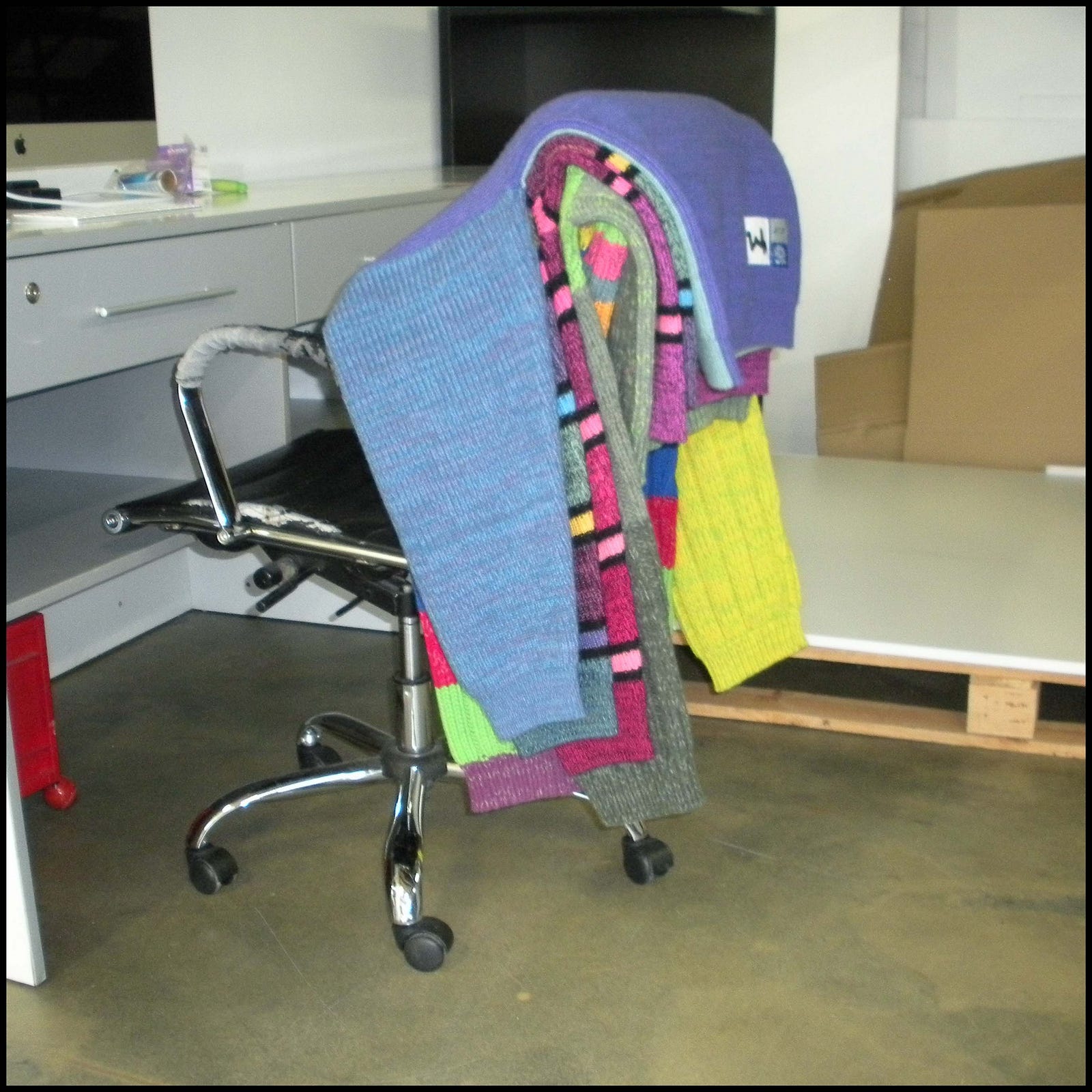
Besides hacking Squiggles, Tribute Brand managed to hack one of fashion’s biggest problems by producing fully sustainable. This was crucial, as they refuse to adhere to a system that’s well on its way to destroy our planet. The team collaborated with the Waste Yarn Project, who repurpose leftover yarns to create incredibly soft 100% zero-waste knitwear. The artisans take about twelve hours to craft each sweater by hand. The randomness of available yarns means you might luck out with a high percentage of cashmere or none at all. It also gives the sweaters a beautiful toned-down look. While the original artwork is beloved for its sensory overload, ODDS are colorful yet wearable. The sweaters can only be ordered in limited quantities (just 999 unique ODDS will ever be made), during limited times, and are produced strictly on-demand. This prevents overproduction, in sharp contrast to the non-stop stream of fashion that floods warehouses and landfills.
Connecting all your realities
As if this legendary triple collaboration wasn’t enough, ODDS further disrupts traditional fashion standards by merging the real and virtual world. Tribute Brand is making waves as the brand that translates fashion into different realities, developing entirely new forms of self-expression. As we spend most of our time glued to screens, virtual fashion is quickly becoming as covetable as the real deal as a natural extension of our identity.
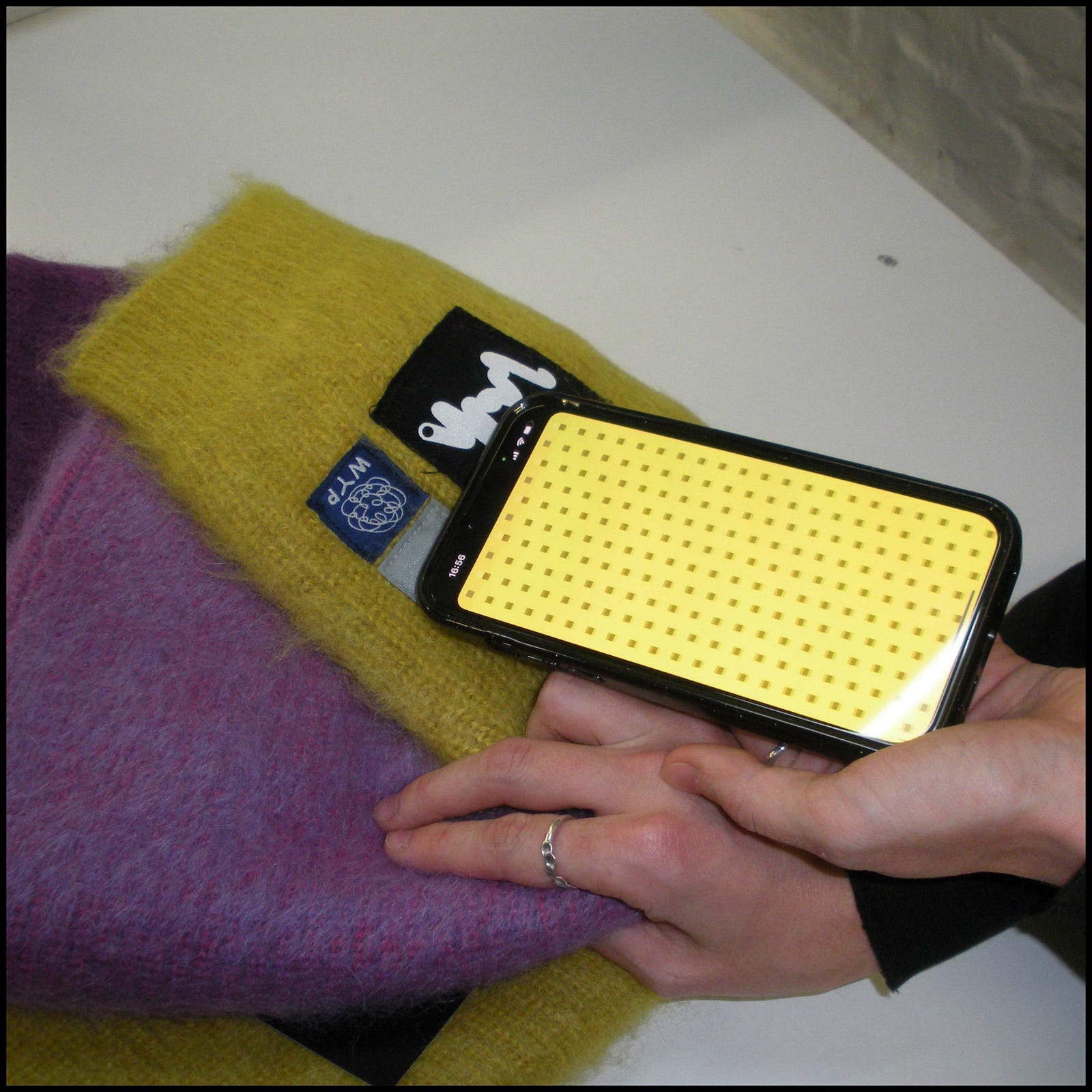
The digital blueprints created by the Generator are boxy virtual sweaters with an iconic early internet pixel aesthetic. They’re stored on the blockchain and belong to you when you get ODDS. I must admit, the Hyper Pipe blueprint looked so damn good it made me want one even more. The Tribute Touch label on your sweater instantly connects you to Tribute App, where you’ll find your digital assets. You can wear your blueprint as a digital skin in virtual spaces or in the real world through augmented reality: ideal when global warming hits and you rather wear pixels than cozy knitwear. When you’re wearing the physical sweater, Tribute App lets you change its appearance like a chameleon with mood-swings. For additional personalization you can add any link to your sweater, like your favorite song, to share with others when they scan your label.
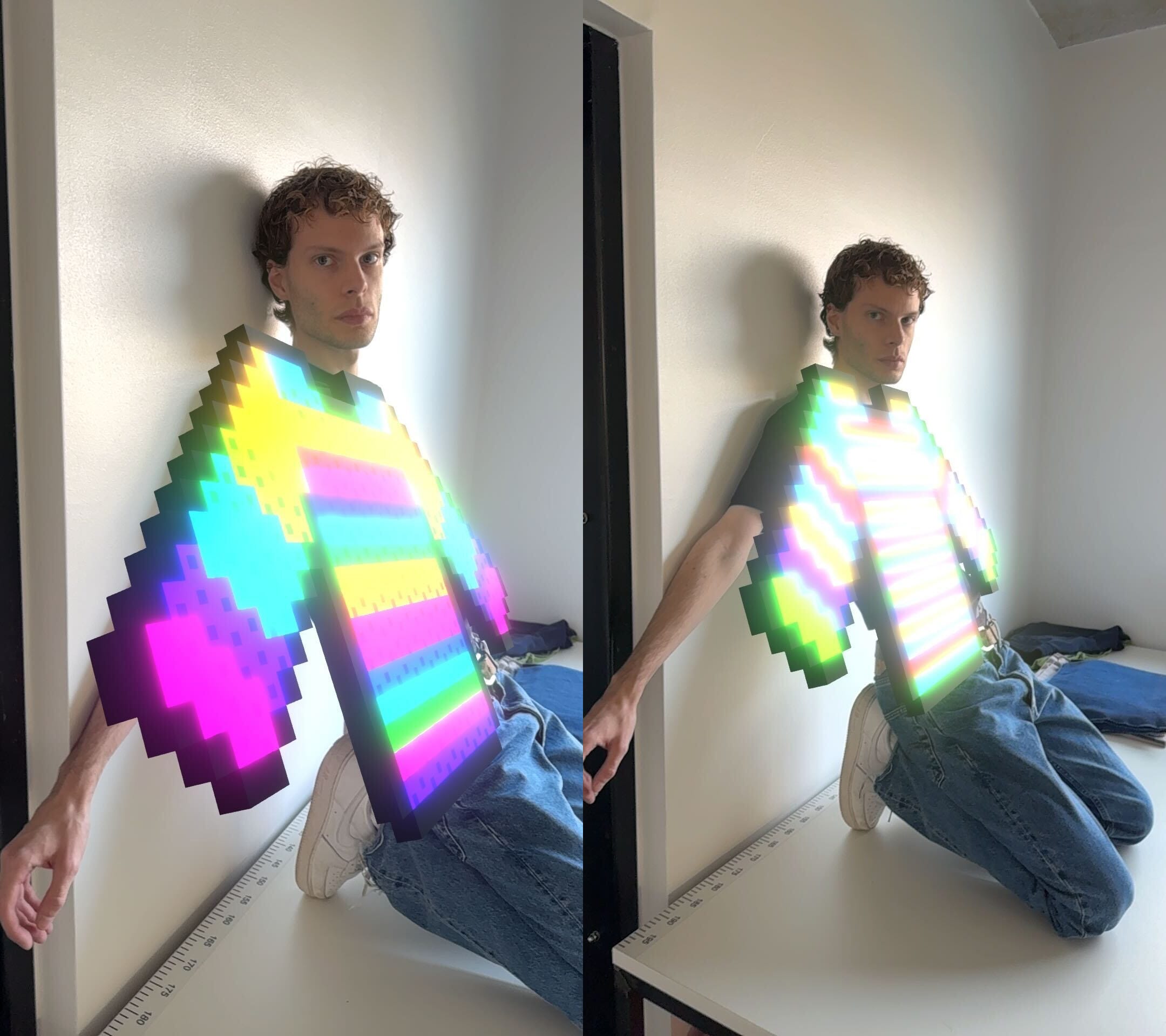
Your blueprint further serves as a digital ID, enabling authentication. Imagine your sweater becomes a ticket to online or real-world events exclusively for ODDS-owners. It also enables transparent product information and traceability, which is huge for an industry that usually prefers confidentiality over accountability. This isn’t only ethical but also makes caring for your sweater and recycling easier. Finally, your blueprint preserves the unique variables of your generative design, granting you the exclusive rights to reproduction. If your sweater goes viral and others want the exact same style, only you can decide to sell extra editions or allow people to reorder from your blueprint.
High tech high touch
This incredibly thoughtful project is a breath of fresh air in an industry that churns out fashion at the speed of fast food. Every detail reflects Tribute Brand’s exceptional vision for self-expression that’s multilayered while respecting our planet. ODDS unlocks a completely new approach to exclusivity, as anyone can own a one-of-a-kind sweater that’s still recognizable by its signature aesthetic. While generative fashion may be hyper-niche today, it seems primed to find its way into the luxury fashion industry, which is obsessed with exclusivity and personalization. What’s extra cool is that the Generator includes you in the creation process. You can generate unique sweaters all night long, instead of being limited to a few seasonal colors that everyone and their mom is wearing.
Tribute Brand only recently opened the Generator for the first edition, but ODDS already gained cult status amongst those in the know. Some might say sustainable fashion is like chasing rainbows, yet Tribute Brand proves it’s not only possible, but extremely desirable.